
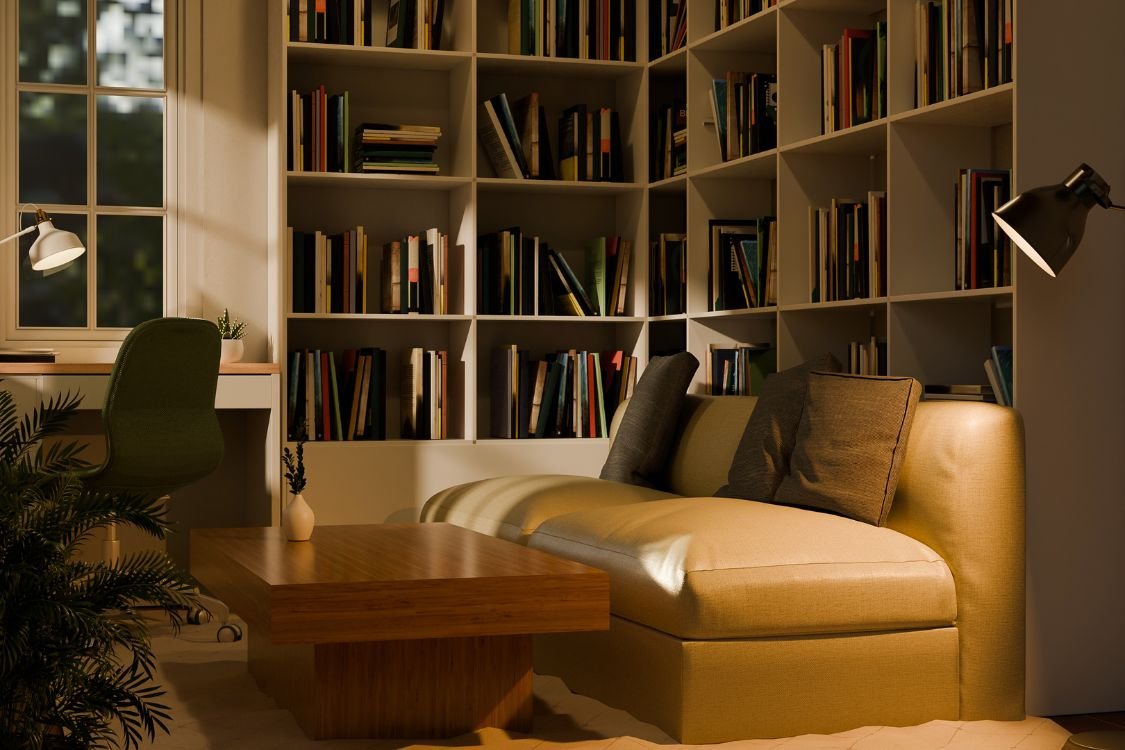
If you’ve felt your home slowly turning into a collection of screens—TV on, phone in hand, laptop open in the background—you’re not imagining it. That’s exactly why the “analog room” (a screen-free space designed for real-life connection and low-tech hobbies) is gaining traction going into 2026.
Design-wise, it’s simple: you intentionally create one room—or even one corner—where the default activity is offline. No doomscrolling. No “just one more episode.” Just a space that supports reading, games, music, conversation, journaling, or relaxing without constant notifications.
At Modern Living Real Property, we love trends like this because they’re practical. You don’t need a major renovation to make your home feel more livable. Small, intentional changes can transform how a space functions—and how it feels.
What is an “analog room,” exactly?
An analog room is a device-free area designed around tactile, human, and low-tech experiences—think books, board games, records, puzzles, art supplies, or conversation seating. It’s part design trend, part lifestyle shift: creating boundaries so screens don’t dominate every room.
And here’s the best part: you don’t have to dedicate an entire room. A reading nook, a listening corner, or a “no-phones” dining zone can deliver the same effect with less effort and zero construction.
Why this trend is taking off
- People want the home to feel restorative again. Not just visually “pretty,” but calming and grounding.
- We’re setting boundaries with tech. Screen-free zones and screen-free times are a simple, proven framework families use to reduce distractions.
- It’s an easy upgrade that improves daily life. Unlike many home trends, this one is accessible—no demo required.
How to create an analog room (step-by-step)
Step 1: Pick the easiest “yes” space
Choose the area that already wants to be screen-free. Great candidates:
- A formal living room that’s rarely used
- A spare bedroom or den
- A corner of the primary bedroom (reading nook)
- A dining room (especially if meals are a priority)
- A hallway landing or underused loft space
Step 2: Remove the “default screen” trigger
This is the highest-impact move. If the TV is the focal point, the room will behave like a TV room.
- If you can: remove the TV from that space (or cover it with art/doors).
- If you can’t: rotate seating so the main focus is a fireplace, coffee table, bookshelf, or window—not the screen.
Step 3: Create a physical “phone home” outside the room
Make it frictionless to put devices down. Place a basket, tray, or charging station outside the analog zone. If you want extra help, use a timed lock box for phones during specific hours.
For families, you can also set simple house rules like: “phones live here during dinner” or “no screens in the room after 8pm.” The American Academy of Pediatrics also suggests creating screen-free zones and screen-free times as part of a family media plan.
Helpful resource: AAP: How to Make a Family Media Plan
Step 4: Make the “analog activity” the most convenient thing in the room
This is the secret. Your brain will choose whatever is easiest. So don’t just remove screens—replace them with ready-to-grab alternatives:
- A stack of books or magazines on the coffee table
- A puzzle tray that can stay out without “taking over” the room
- A board game basket (2–3 favorites only)
- A journal + pen cup
- A sketchpad and small art kit
Easy sourcing ideas: Penguin Random House (books), BoardGameGeek (game discovery + reviews)
Step 5: Upgrade the lighting (the fastest “design” win)
Analog rooms should feel warm and inviting—especially at night. Harsh overhead lighting pushes people back toward screens. Instead, aim for layered lighting:
- 1 floor lamp + 1 table lamp (minimum)
- Warm bulbs (soft white)
- Optional: a plug-in dimmer to tune the vibe
Where to shop: Rejuvenation (lighting + hardware), IKEA lamps
Step 6: Add one “anchor” object that makes the room feel intentional
Pick one signature piece that signals: This room is for living. Examples:
- A bookshelf wall (even if it’s just two bookcases side-by-side)
- A record player + small record stack
- A game table (or convertible coffee/dining table)
- A comfortable chair that you genuinely want to sit in
Listening corner idea: If you want a simple setup, start with a beginner-friendly turntable and powered speakers from a reliable audio retailer like Crutchfield.
Step 7: Keep it visually calm (so your brain can downshift)
You don’t need a full remodel—but a little decluttering and softness goes a long way:
- Hide cords and remotes (or remove them entirely from the room)
- Add texture: throw blanket, rug, pillows
- Use closed storage so “stuff” doesn’t become visual noise
Budget-friendly storage: The Container Store (bins and baskets), IKEA storage systems
3 easy “analog room” setups you can do this weekend
1) The Reading + Coffee Corner (small-space friendly)
- One comfortable chair
- Small side table
- Warm lamp
- Book stack + journal
- Phone basket outside the corner
2) The Conversation Living Room (best for hosting)
- Seating arranged to face each other (not the TV)
- Large coffee table
- Game basket + cards
- Soft lighting, low clutter
3) The “Analog Family Zone” (kid-proof and realistic)
- One cabinet or bookshelf with puzzles/games
- A craft tray or LEGO bin that can be put away quickly
- A single rule everyone follows (example: “no phones in this room”)
Optional: restoration tools and supplies (if your analog room includes a DIY refresh)
If your screen-free space needs a quick upgrade—fresh paint, patched walls, updated trim—you can keep it simple and still get a big impact.
- Tool rental: The Home Depot Tool & Equipment Rental
- Restoration / drying equipment: Sunbelt Rentals (dehumidifiers & air management)
- Pro-grade supplies: Grainger (dehumidifiers) and Grainger (air movers)
- DIY tools on a budget: Harbor Freight
Closing thought: the best “trend” is the one that changes how your home feels
The analog room trend is growing because it’s not about being anti-tech—it’s about being intentional. A screen-free space helps your home support the things that matter: connection, creativity, rest, and real downtime.
If you’re planning a bigger transformation—or you want inspiration from real before-and-after projects—explore Modern Living Real Property’s renovated properties and browse design and renovation guidance in Helpful Tips. When you’re ready to talk next steps, you can reach out here: Contact Modern Living Real Property.